

When medical treatment or glasses no longer restore clear vision, specialized devices can help. We offer access to leading low vision tools, along with expert training and support to help you use them effectively.
Low Vision Aids & Devices

Low Vision Optometrist Near Southwest PA, Ohio & West Virginia
What Are Low Vision Aids?
Low vision aids can help you visually navigate the day-to-day challenges posed by eye conditions like macular degeneration, diabetic retinopathy, glaucoma, and retinitis pigmentosa. The success of these devices is well-documented.
With the help of these innovative vision aids, magnifiers, glasses, devices, and other technologies, a low vision eye doctor can help patients of all ages overcome the limitations of low vision.
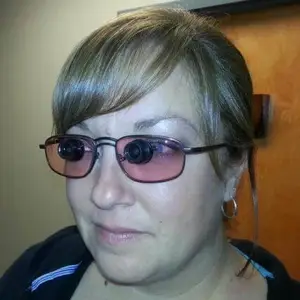
We Help You Live Your Best Life
How Do Low Vision Aids Work?
Dr. Bissell servces patients in southerwest Pennsylvania, northern Pittsburgh. eastern Ohio & West Virginia.
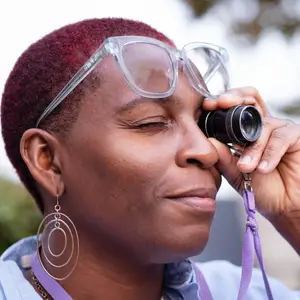
Keep Your Eyes on the Possible
The Low Vision Aids We Offer
Most low vision devices are categorized as either optical, non-optical, or electronic. Each type is geared towards different visual tasks.
Some low vision aids we offer include:
- Hand-held/standing magnifiers
- Bioptic telescopic glasses
- Side-vision awareness glasses
- Full-diameter telescopes
- Tele-microscope glasses
- Absorptive lenses
- E-scoop glasses
- Video/digital magnifiers/CCTV
- Prismatic reading glasses
- Computer software
Which Low Vision Aids Are Right For You?
At your initial consultation, Dr. Bissell will assess the severity and specific limitations arising from your low vision condition. Once that is determined, he will conduct a 60-90 minute low vision evaluation, which will help to further clarify the extent of your vision loss, the affected parts of your visual field, and whether it’s central or peripheral. Lastly, he will recommend suitable low vision aids and devices that can drastically improve your life. Before you leave with your new low vision aid, Dr. Bissell will instruct you on how and when to use the device and ask you to try using it during the assessment. This helps ensure that the low vision aid provides you with subjective visual improvement.
If you or a loved one suffers from impaired vision, know that we can help. Regain your independence and start doing the things you love again. To find out more and to schedule your appointment, contact Bissell Eye Care today.
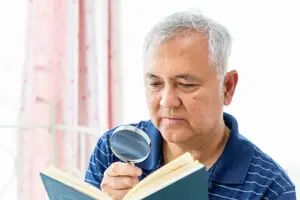

Don't let low vision stop you from using your computer. Here we show you how you can get back to browsing and writing, just as you did before vision loss.

Customized E-Scoop glasses are designed for people with early stages of vision loss. These glasses combine 5 different optical characteristics, allowing you or your loved ones to use their remaining vision to drive, read, use the computer and much more.
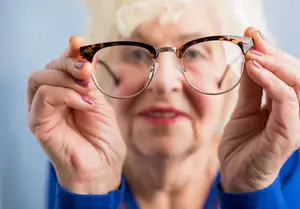
Side Vision Awareness Glasses help people with side vision problems perform activities of daily living more easily and safely. Speak with your low vision optometrist to find out more.

Telemicroscopes help people suffering from low vision to perform close-up activities in a comfortable way. Speak with your low vision optometrist to find out more.

Low vision magnifiers help those with impaired vision to better see close objects. Learn about the different types of magnifiers and discover how a low vision optometrist can help you choose the best low vision aids and devices for your needs.

Those with low vision impairment often find it difficult to perform the basic household activities required for daily living, such as setting the table, cooking and eating. If you or someone you know is struggling with low vision, these tips can help.